Guaranteed Structure Experts
Learn about Essential Roofing Services to protect your property and longevity.
The necessity of keeping up a sturdy and reliable roof is paramount. Homeowners often overlook vital roof maintenance until serious damage occurs. Periodic assessments help find concealed damage, while knowledge of common repairs can save money on major repairs. Knowing about roofing components and the importance of water runoff also plays a crucial part in the lifespan of the roof. As homeowners deal with these factors, knowing how to choose the right contractor is equally essential. How can they proceed to protect their property?
Importance of Regular Roof Inspections
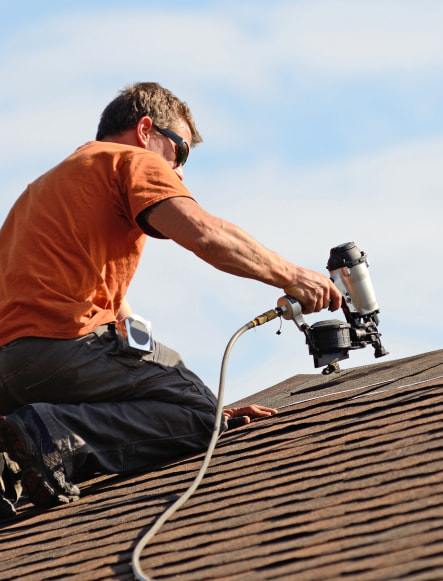
While some homeowners might ignore this, the importance of regular roof inspections is undeniable. These inspections are essential for maintaining the integrity of a home. The roofing system experiences deterioration due to a range of weather conditions, including harsh climate, buildup of material, and deteriorating shingles. Routine checks assist in finding early signs of trouble before they turn into major issues, such as major failure. Moreover, timely roof upkeep can prolong the existence of the roofing system, saving homeowners substantial repair costs in the long run. Assessments ought to be done annually at a minimum or after extreme climate exposure. Hiring certified roofing experts guarantees a thorough assessment, as trained experts can spot early signs of deterioration that an layperson could fail to see. In the end, focusing on routine roof checks ensures a protected living space, safeguarding both the structure and those who live there.
Typical Roof Fixes and What They Offer
Regular roof inspections not only help identify potential issues but also make essential fixes possible when problems are detected. Common roofing repairs include sealing water intrusion, replacing damaged shingles, and removing blockage from drainage. Fixing water intrusion quickly can prevent water damage and mildew formation, protecting the house's integrity and inside spaces. Replacing damaged shingles boosts the roof's structural soundness and makes the home look better, providing long-term resilience. Also, removing debris from gutters avoids water overflow, potentially causing expensive fixes and problems with the foundation.
This upkeep substantially aids to extending the roof's useful life and keeping the home energy efficient. Homeowners who invest in routine maintenance and timely repairs can steer clear of major, expensive overhauls later on. Finally, fixing typical roofing problems secures the home's safety but also offers homeowners tranquility, knowing that their property is well-protected against the elements.
Steps for Replacing a Roof
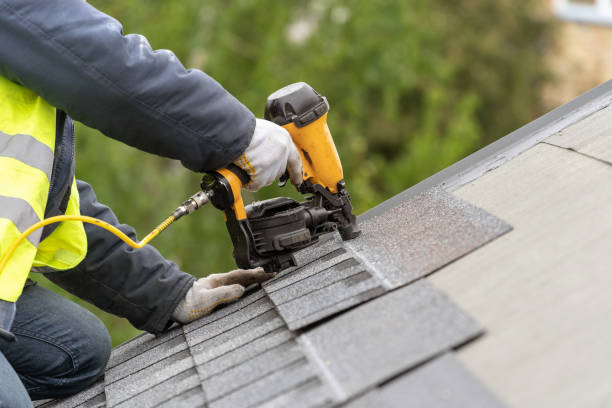
Replacing a roof involves several essential steps to guarantee a successful and durable installation. First, a thorough inspection of the existing roof is conducted to evaluate its state and determine the necessary repairs or replacements. After the evaluation is finished, the owner should hire a certified roofing professional that can offer a suitable strategy and schedule for the work.
The next step involves removing the old roofing materials, such as shingles, flashing, and underlayment. This step is essential for finding hidden issues to the decking. After the removal, necessary repairs are made to the decking, ensuring a solid foundation for the new roof.
When the base is sound, the installation of new roofing materials begins, followed by the installation of proper flashing and air circulation systems. Finally, a comprehensive clearing is executed, leaving the property in pristine condition and guaranteeing the new roof provides durable defense.
Understanding Roofing Materials and Their Lifespan
Knowing about roofing components is vital for homeowners looking to make informed decisions about their roofs. Every kind of roofing component has a unique useful life and care specifications, affecting future expenses and endurance. By looking at typical materials, their expected lifespan, and the required maintenance, homeowners can plan their roofing projects better.
Common Roofing Material Types
Numerous roofing material types are available, each offering unique benefits and different longevities. Asphalt roofing materials are widely used due to their affordability and simple installation process, they are often chosen for residential homes. Roofing made of metal, known for its durability and minimal care, offers different looks, such as standing seam and corrugated panels. Roofing tiles, usually composed of clay or concrete material, gives a noticeable appearance and resists severe weather. Slate roofing, despite the higher price, is appreciated for its durability and natural beauty. To conclude, artificial materials, like rubber or plastic, provide environmentally conscious choices that mimic traditional materials. Each material fulfills distinct needs, making sure property owners pick the ideal match for their home.
Longevity of Roof Types

When picking roofing options requires looking at more than just their aesthetic and price but also their expected lifespan. Different roofing options exhibit varying lifespans, directly impacting homeowners' long-term investments. Shingles made of asphalt generally last around 15 to 30 years, based on their quality and how they were installed. Metal roofs, recognized for being long-lasting, may hold up for 40 to 70 years with proper installation. Tiles corresponding information made of clay and concrete offer great durability, frequently lasting 50 years or longer. Wooden shingles, though they look attractive, generally last between 20 to 25 years, influenced by climate and maintenance. Finally, artificial options show wide variation, with some options designed to last a maximum of 50 years. Understanding these lifespans assists property owners in deciding wisely about what they spend on their roof.
Caring for Your Roof to Make It Last
Routine upkeep is crucial for getting the most life out of the roofing materials. Homeowners should routinely inspect their roofing for deterioration, such as lost tiles, cracks, or moss growth. Dealing with these problems quickly can prevent more extensive damage. The lifespan differs among various roofing materials; for example, shingles made of asphalt generally last 15-30 years, while metal roofs can endure 40-70 years with proper care. Regular cleaning of gutters and downspouts is imperative to guarantee water drains freely, lessening the risk of leaks and structural damage. In addition, employing an expert for periodic reviews can assist in finding potential problems before they escalate - Massapequa Roofing Company. By understanding the specific maintenance needs of their roof's surface, homeowners can significantly boost their roof's durability and guarantee long-term protection for their homes
The Role of Gutters in Roof Maintenance
Gutters play an critical function in roof maintenance by guiding runoff away from the structure. Operational gutters prevent water from standing on the surface, which can lead to leaks, fungal buildup, and structural damage. They channel rainwater downwards and away from the foundation, protecting the integrity of the home.
Consistent monitoring and cleaning of gutters are crucial, as debris can block the passage and create blockages. When gutters are ignored, they can overflow, causing water to seep into walls and ceilings, which often requires costly repairs.
Additionally, well-maintained gutters boost the effectiveness of a roofing system, making it last longer. Homeowners should make a priority of gutter maintenance as part of their comprehensive roof maintenance plan, guaranteeing that these critical elements operate effectively. By taking this action, they improve the durability and safety of their homes, showing the absolute necessity of gutters in roof maintenance.
Choosing a Dependable Roofing Contractor
How can homeowners make sure they choose a dependable roofing contractor? First, it is essential to do comprehensive research. Homeowners should look for suggestions from friends, family, and online reviews to find trustworthy contractors in their area. Next, confirming documentation is crucial; a reliable contractor should possess the necessary licensing, insurance, and certifications.
Homeowners should also solicit itemized proposals from multiple contractors, reviewing expenses and the scope of service. Communicating clearly is crucial, as a honest contractor will be responsive and forthcoming about their processes.
In addition, reviewing past projects and customer testimonials can give an idea into the contractor's quality of work and reliability. To conclude, it is recommended to hire a contractor who offers warranties on the materials and the workmanship, ensuring long-term support and protection for the homeowner’s investment. By following these guidelines, homeowners can greatly increase their chances of finding a reputable roofing contractor.
Common Questions and Answers
When Should I Arrange a Roof Inspection?
It is recommended to schedule a roof inspection at least twice a year, specifically in the spring and the fall. Additionally, inspections should occur after extreme weather to check for possible injury and ensure the roof remains sound.
Which Indicators Point of Roof Damage to Look For?
Roof damage warnings consist of lost shingles, water penetration, sagging, dark spots on ceilings, missing granules in the troughs, and noticeable organic growth. Addressing these problems quickly can avoid greater deterioration and expensive fixes.
Is it Possible to Do My Own Roof Repairs?
Yes, individuals can perform roof repairs themselves if they possess the necessary skills and tools. Nonetheless, prudence is recommended, as poorly executed repairs might cause additional harm or dangerous situations, potentially requiring professional intervention later.
What is the Impact of Weather on Roofing Materials?
Weather conditions greatly impact roofing materials, resulting in deterioration, wear, and damage. Massapequa Roofing Company. High heat, dampness, and ultraviolet light can compromise the material's strength, resulting in water penetration or structural concerns. Regular maintenance is essential to lessen these impacts and increase its longevity
What Is the Average Cost of a Roof Replacement?
A typical roof replacement expense generally costs $5,000 to $15,000, depending on factors such as the size of the roof, the material used, and the location, influencing the overall expense and quality of installation.